Personal Loan to Pay Off Debt: The Smart Way to Clear Your Balance
How Does a Personal Loan Help Pay Off Debt?
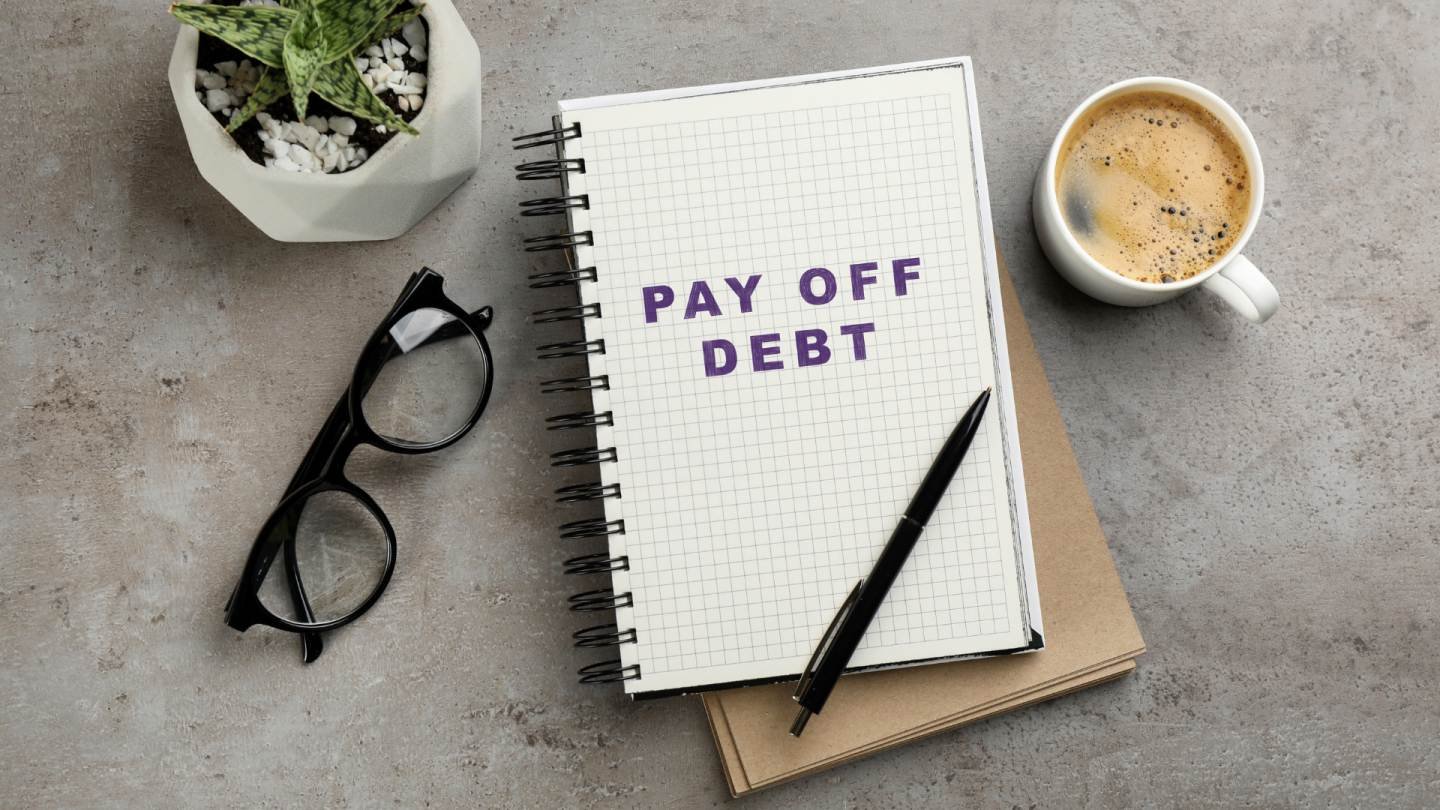
Being in debt isn’t the problem; staying in expensive debt is. Many Australians find themselves trapped in a cycle of minimum repayments on high-interest credit cards, store accounts, or payday loans. Using a personal loan to pay off debt is a strategic financial move to break that cycle.
The concept is simple: you take out a new, lower-interest personal loan for debt consolidation that covers the total amount you owe to your various creditors. You use these funds to wipe your slate clean—paying off the credit cards and closing the accounts immediately. Instead of stressing over multiple high-interest bills, you are left with one structured loan, one lower interest rate, and a clear path to becoming debt-free.
Key Benefits: Why Swap Your Debts?
Smart borrowers understand that not all debt is created equal. Moving your balances to a specialized consolidation product offers immediate relief.
Access Low-Rate Debt Consolidation: Credit cards often charge 20-25% interest. By switching to a personal loan (typically 8-14%), you stop wasting money on interest charges. This means more of your monthly payment goes toward reducing the actual debt.
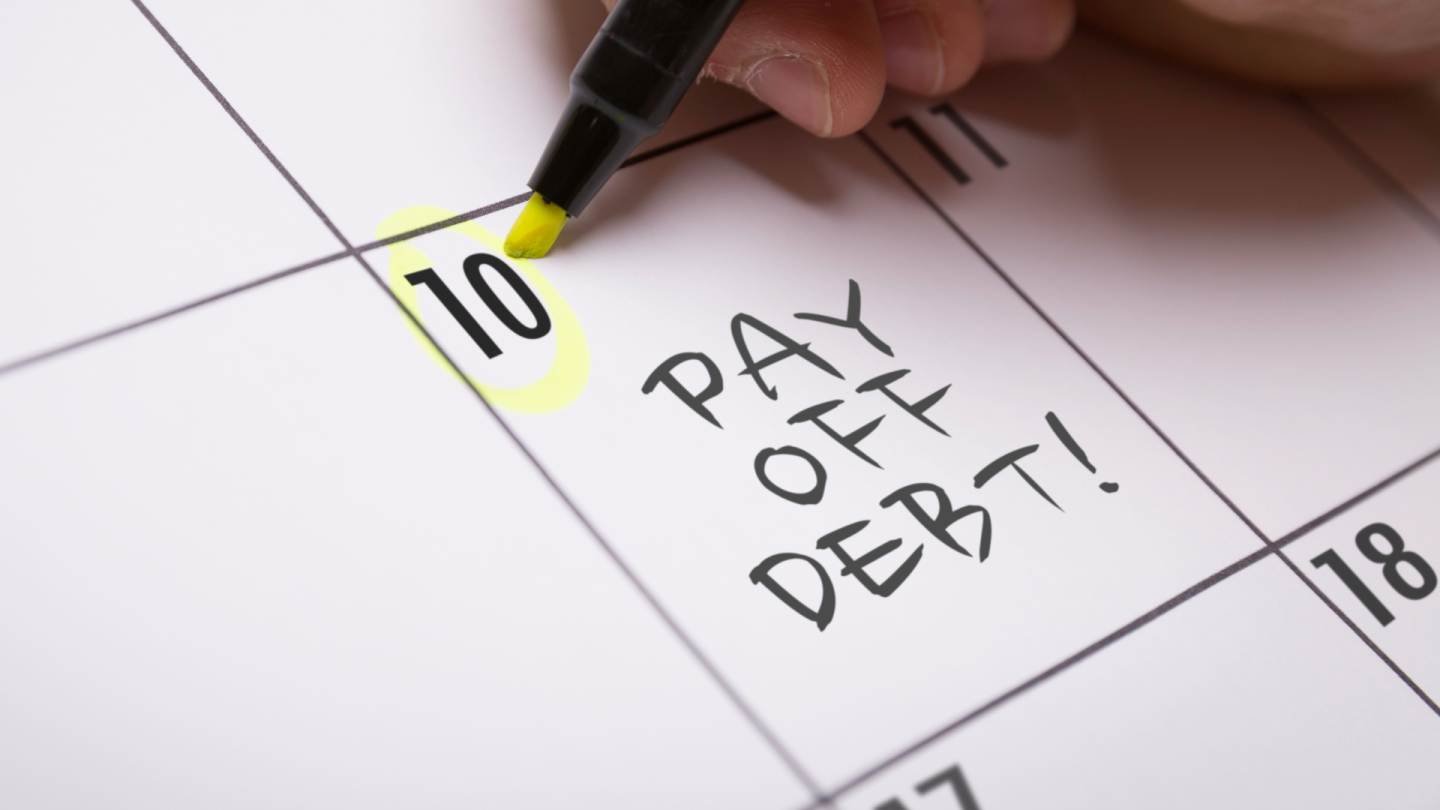
Fixed Finish Line: Revolving debt (like credit cards) can last forever. A personal loan has a fixed term (e.g., 3 or 5 years). You know the exact date you will be free.
Simplified Budgeting: Replace the stress of five different due dates with one predictable monthly direct debit.
Credit Score Repair: By paying off “maxed out” revolving credit lines, you lower your credit utilization ratio, which is a fast way to start rebuilding your credit score.
Who Needs This Loan and Why?
This product is ideal for anyone who feels like they are treading water financially.
The “Interest Trap” Victim: You are making payments every month, but the balance barely drops because the interest eats it all. A lower-rate loan fixes this instantly.
The Scattered Borrower: You owe money to a car lender, a furniture store, and two banks. Merging them into debt consolidation loans creates clarity.
The Future Planner: You want to buy a house in 2 years, but your messy credit card limits are ruining your borrowing capacity. Cleaning them up now prepares you for a mortgage approval later.
The ATO Payer: You have an unexpected tax bill. Using a personal loan to pay the ATO is often cheaper and safer than accruing GIC (General Interest Charge) or facing garnishment.
The Process: Clean Slate in 24 Hours
We make the transition from multiple debts to one simple loan seamless.
Calculate Your Total: Add up the “payout figures” for every debt you want to clear. This is your loan amount.
Get a Quote: Use our online tool to find low-rate debt consolidation offers tailored to your profile. Compare the new repayment against what you are currently paying to see the savings.
Apply Digitally: Submit your application. We verify your income to ensure the new loan is affordable for you.
Pay Your Creditors: Once approved, the funds are deposited into your account (or sent directly to your creditors). You pay every cent owed to the old lenders.
Close Old Accounts: Cut up the cards and close the accounts to ensure you don’t fall back into debt.
Eligibility & Application: Taking the Step
To qualify for a personal loan for debt consolidation, lenders look for your ability to improve your position.
Regular Income: You must demonstrate steady employment or self-employment income.
Serviceability: The lender needs to see that the new loan repayment fits comfortably within your budget (often, the new repayment is lower than your combined old payments, making this easy to prove).
Credit History: While good credit unlocks the lowest “prime” rates, we also work with specialist lenders who assist with bad credit consolidation.
Residency: Australian Citizen or Permanent Resident.
Stop Renting Your Money
Every month you pay 20% interest, you are renting money at a premium price. It’s time to own your financial future. By using a personal loan to pay off debt, you take back control of your cash flow and set a definitive end date for your financial freedom. Check your new rate today.
Top 5 Relevant FAQs Personal loan to pay off debt